
Author: Erik Nilson / Last Updated: January 18, 2025
Written by bike industry experts with over 20 years of experience, our mountain bike helmet buying guide covers everything you need to know before making a purchase. XC, trail, enduro, and downhill riders read on to learn important features and considerations before making your next purchase.
Jump to…
- Types of Mountain Bike Helmets
- Helmet Safety and Protection
- How Should A Mountain Bike Helmet Fit?
- Ventilation
- Key Features of MTB Helmets
- Popular Accessories for MTB Helmets
- Helmet Weight
- Mountain Bike Helmet Crash Replacement
- Bike Helmet Maintenance and Care
- Popular Mountain Bike Helmet Brands
- Where Should I Buy a Mountain Bike Helmet?
Ready to make a purchase? See our expert guide to the year’s best mountain bike helmets.
When you buy through our links, we may earn a commission (at zero cost to you). Learn more.
Types of Mountain Bike Helmets
Half-shell: Best for XC (cross-country) and Trail Riding
The most common and widely used mtb helmet style, traditional half-shell models are best suited for cross-country, trail and light duty enduro type rides. They offer the least protection of any type but are typically lighter, better ventilated, and the best choice for hot singletrack adventures. The Fox Speedframe Pro is currently our favorite helmet in this category.
Pros:
– Lightweight, breathable and typically the least expensive option.
– Offers the most streamlined fit with “normal” aesthetics.
Cons:
– Don’t provide the same amount of protection as ¾-shell or full-face models.

3/4-shell: Best for Enduro and E-bike Riding
Part half-shell, part full-face, 3/4-shell models are a great choice for aggressive enduro rides or hitting the local dirt jumps. Helmets like the Fox Dropframe Pro have additional coverage around the ears, temple, and back of the head but forgo the chin bar found on full-face models. They run hotter and weigh a bit more than traditional half-shell helmets, but the extra protection gives us peace of mind. However polarizing they may look, these helmets have earned a regular spot in our personal helmet rotation.
Pros:
– Lighter weight and more breathable than full-face helmets.
– Offer more protection than traditional half-shells lids.
Cons:
– Warmer than half-shell helmets (although a plus for cold weather).
– Don’t provide as much protection as a full-face helmet.

Full-face: Best for Aggressive Downhill Riding
Reserved for bike park laps, shuttle days, or downhill racing, full-face models provide the most protection out of all helmet types. These models feature a chin bar to help keep you from smashing your teeth in, thicker padding, and fewer vents, all in the name of added protection and safety. However, all that added coverage does come with a cost. Helmets like the Smith Mainline weigh significantly more, are warmer, and don’t offer the same situational awareness as half-shell options. That said, when things go wrong in a big way, it’s impossible to beat the protection of a full-face mountain bike helmet.
Pros:
– Offers the most protection of any style of mtb helmet.
– Inspires the most confidence for gnarly descents.
Cons:
– Heavy, hot, and certainly the most bulky style of mtb helmet.
– Often the most expensive type of helmet.

Helmet Safety and Protection
Keeping your head protected in a crash is the number one goal of any helmet on the market. That said, some do a much better job than others. For this reason, we highly recommend you choose one from a well-respected brand and zero in on models that include a MIPS liner. Additionally, make sure they pass appropriate helmet tests (like EN and CPSC tests). To take your research one step further, check out Virginia Tech’s helmet lab, which conducts its own tests on many popular models and then rates them.

How Should A Mountain Bike Helmet Fit?
Head Circumference
To properly do its job, a mountain bike helmet must fit correctly, which is why we recommend measuring your head before anything else. To find the circumference, wrap a soft tape measure around the largest part of your head, typically about an inch above your ears and eyebrows. Alternatively, you can use a string and then measure it with a ruler. Once armed with this knowledge, refer to the brand’s size chart to determine the appropriate size.
A mountain bike helmet should fit tight without any pressure points and not bounce around on your head while cruising down the trail. Not only will this provide the highest level of protection, but a properly sized lid will remain comfortable as you rack up the miles.
Head Shape
Another important but often overlooked part of proper mtb helmet fit is determining the shape of your head. Heads are typically categorized as round oval, intermediate oval, and long oval. To determine which category you fall into, measure from your forehead to the base of your skull and then from ear to ear. If the measurements are even, you have a round head shape. If not, you have an intermediate or long oval shape.
Alternatively, you can simply bend over and have someone take a picture of the top of your head, and then analyze the photo. Unfortunately, manufacturers don’t usually list the shape of the helmet. However, we’ve listed helmet shape for all our top mountain bike helmets.

Ventilation
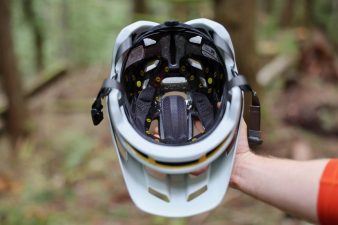
Ventilation is instrumental in keeping your head cool and comfortable during long or hot rides. Don’t get too hung up on the number of vents because their overall size and positioning can actually be more important. For instance, the POC Octal MIPS features 21 vents and is the coolest-running mountain bike helmet on our list, considerably more so than the Giro Radix MIPS with its 25 vents. We also really appreciate vents right above the brow for long and hot rides, which is what you’ll find on the Fox Speedframe Pro.

Key Features of MTB Helmets
MIPS Liner
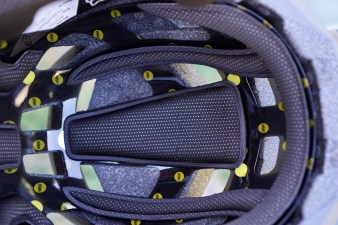
MIPS, which stands for Multi-directional Impact Protection System, is a technology designed to reduce rotational forces on the brain during a crash, providing an additional layer of safety. This thin plastic slip plane feature is situated between the padded liner and hard foam in most high-quality mountain bike helmets from major manufacturers. While MIPS is not commonly found in lower-priced helmets, you can expect to see this safety technology in helmets priced at around $75 and up.

Visor
Visors are a great tool for mountain bikers; they keep the sun out of your eyes, deflect branches from your face, and can guard against debris coming off your buddy’s tire in front of you. We prefer helmets with visors that offer some degree of adjustment, like the Fox Speedframe Pro, which allows you to block a setting sun that’s low on the horizon. It’s also important to take note of the size of the visor—just because a helmet is equipped with one doesn’t mean it’s functional (too small and it won’t block the sun, too long and it will block your line of sight).

Buckle
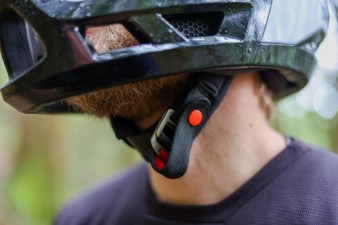
Buckles come in various types, often associated with different price ranges or helmet styles. The most basic buckle, commonly found on less expensive helmets, is made of plastic and clips together in a traditional style. Another type is the magnetic Fidlock buckle, like that found on the TLD A3, which utilizes magnets to easily clasp and can be operated with one hand. Finally, metal D-ring buckles are often found on downhill helmets and offer the highest level of security. While they may not be as quick or easy to use, they provide the utmost protection.

Fit Dial
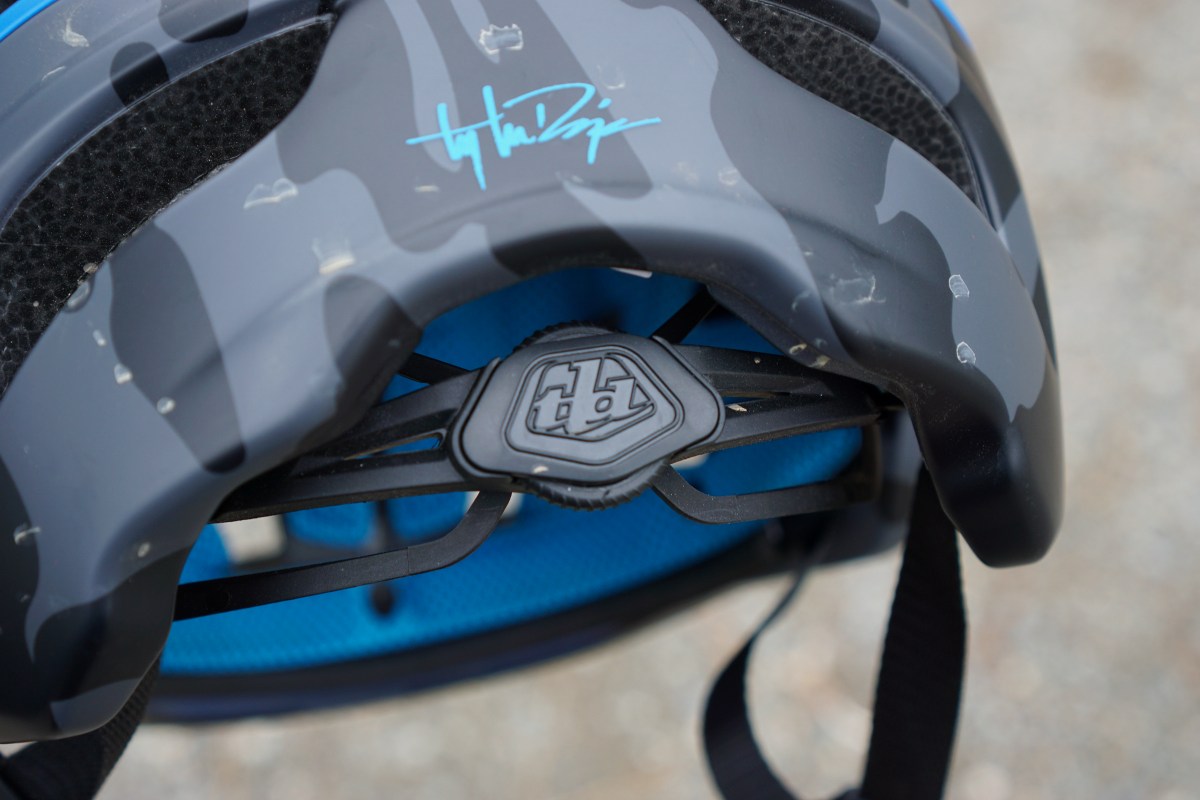
When choosing a mtb helmet, it’s important to look for models with an adjustable rear fit dial. This key feature allows riders to get a custom fit and ensures the helmet stays in place during rough descents, which improves safety and protection. Fortunately, most models from reputable brands include this feature. We’ve been particularly impressed by the dial found on the Troy Lee Designs A3, which offers 54 clicks of micro adjustments which helps the helmet remain comfortable on multi-hour rides.

Goggle and Glasses Storage
If you’re like us and typically store eyewear on top of your helmet during long climbs, it’s nice to have a secure and convenient place to stash them. A few helmets on this list, like the Giro Manifest Spherical, have little grippers situated in the vents that grab onto your glasses when they’re not in use. And in terms of goggle storage, look for models whose visors offer a large amount of upward adjustment, as storing your goggles under the visor is pretty convenient (although this can sometimes lead to fogging).


Mountain Bike Helmet Technology
Technology and mountain bike helmets don’t typically go together, but they can provide a ton of value for the right user. POC seems to be leading the charge at the moment by including both RECCO and near field communication (NFC) capabilities into their Kortal Race MIPS. For those who aren’t familiar, RECCO is a location detection system used by search and rescue personnel for recovery purposes. And in the case of POC, their NFC tech is for storing emergency medical and contact information.

Popular Accessories for MTB Helmets
Camera and light mounts stand out as two of the most popular accessories for mountain bike helmets. GoPro cameras offer a fantastic way to capture fun flow trails with friends or gain a competitive edge by recording tracks during practice race runs. For those looking for a little adventure, attaching a high-quality bike light to your helmet and handlebars is a great way to mix up your riding. Certain brands, like Giro, even include these popular accessory mounts with the purchase of your helmet, or at the very least have them available to purchase separately.
Helmet Weight
Mountain bike helmet weight is an important consideration when shopping for a new lid, and will often be determined by the style of helmet you’re looking for. Cross-country models like the POC Octal MIPS come in at a scant 9.5 ounces and are a great match for all-day epics and xc racing, but they sacrifice coverage and protection in the process. In the middle of the spectrum, you have the trail-oriented Fox Speedframe Pro, which weighs in at about 13 ounces and offers a nice blend of low weight and overall coverage. Finally, full-face downhill helmets offer the most protection but pay the price in ounces, with the Smith Mainline weighing, 1 lb. 11 oz. (27 ounces).

Mountain Bike Helmet Crash Replacement
If the unexpected happens and you take a spill out on the trail, some brands offer a crash replacement program to help ease the pain of purchasing a new helmet. These programs typically allow you to replace your damaged helmet at a discounted price, encouraging riders to get a new lid after an accident.
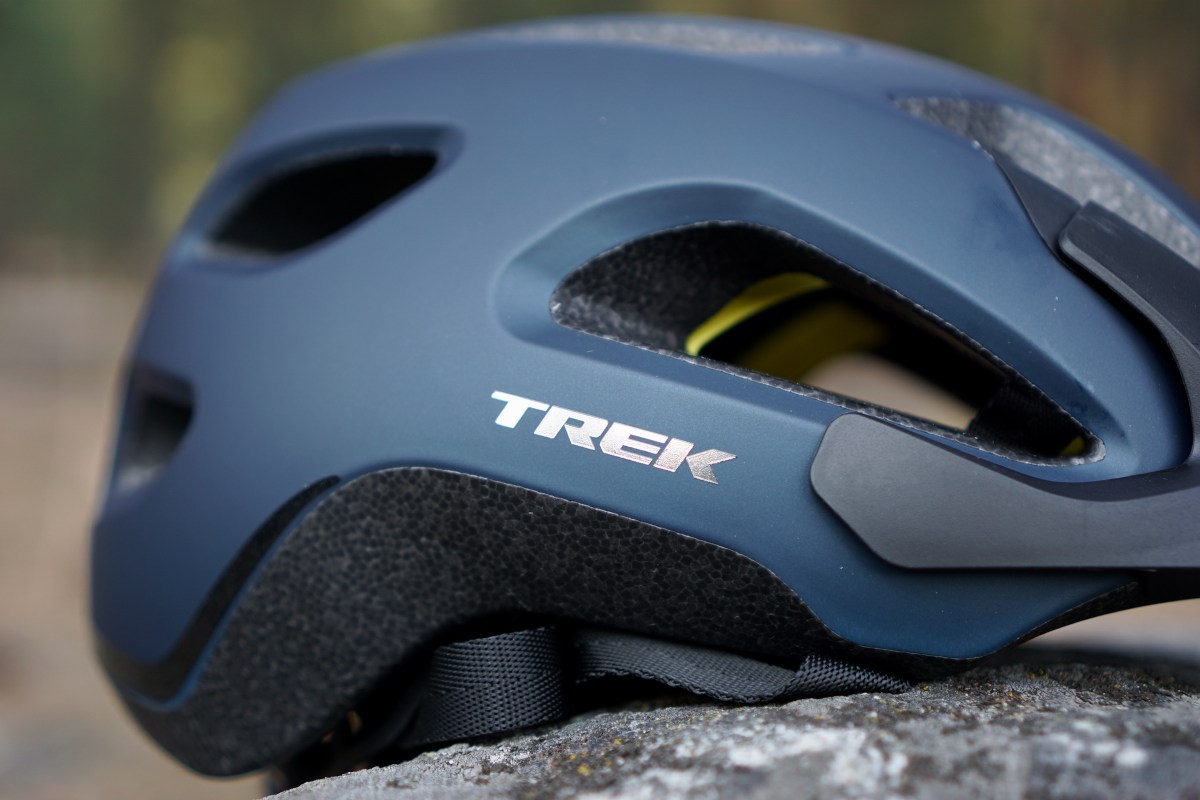
Most popular brands, like Smith, Giro, and Troy Lee Designs offer a 30% discount on a new helmet. While others, like Trek (formerly Bontrager), go above and beyond by providing you with a free replacement within one year of the original purchase date. It’s important to check with the manufacturer to see if they offer this service and understand the terms and conditions. Remember, helmets are designed to protect you in a single impact, so it’s crucial to replace your lid after any significant crash.
Bike Helmet Maintenance and Care
Proper helmet maintenance ensures your valuable investment stays in tip-top condition for as long as possible. For cleaning, use mild soap and water, avoiding harsh cleaners or chemicals that may degrade the helmet’s material over time. And as silly as it might sound, wearing your mtb helmet in the shower a few times per year is an easy way to keep it clean. Simply lather up your hair, plop your helmet on your head, wiggle it around, and then rinse everything off.
In terms of storing your mountain bike, opt for a cool and dry area between rides, avoiding car trunks or areas with excessive heat, direct sunlight, or dampness. Regularly inspect your helmet for any signs or damage. If you notice any dents, compressed foam, or frayed straps, you should replace it immediately.
Popular Mountain Bike Helmet Brands
While there are dozens of mtb helmet brands available on the market, a handful have risen above the rest. Among the more popular options are Giro, Fox, Bell, POC, Troy Lee Designs, and Smith. Each brand has a unique style and focus; for instance, Troy Lee Designs is known for their loud colors and exotic paint schemes, whereas the Swedish brand POC touts their advanced safety features. Whether you’re in search of a featherweight cross-country lid or the perfect daily driver like the Troy Lee Designs A3, the top-rated brands mentioned above will have something to suit your needs.

Where Should I Buy a Mountain Bike Helmet?
When it comes to buying a mountain bike helmet, it’s important to choose a reputable seller. We wholeheartedly recommend checking with your local bike shop first. However, if they don’t have the selection you’re looking for, it’s hard to go wrong with one of the multiple online sellers.
Some of our favorite online sellers with great selections include Jenson USA, Competitive Cyclist, Backcountry, REI, and of course Amazon. Additionally, most popular helmet brands like Troy Lee Designs, Fox, POC, and Smith are available for purchase on their respective websites. No matter where you choose to buy your new helmet, it’s important to purchase from a reputable source as to ensure a genuine product.
Frequently Asked Questions
While not necessary, more expensive mountain bike helmets offer premium features like a MIPS safety liner, an adjustable visor, and a travel bag. They may also feature various shell sizes and include extra pads for a customized fit. Consider your needs and budget when deciding on investing in a helmet.
Yes, full-face helmets are a great choice for mountain biking. They offer enhanced protection for the face, jaw, and head during aggressive riding, which can minimize the risk of severe injuries during a crash. They are especially crucial for high-speed descents and technical trails.
Multiple studies conducted by the NCBI (National Center for Biotechnology Information) have shown that MIPS-equipped helmets are effective in reducing the risk of serious brain injury. Furthermore, independent research conducted at Virginia Tech’s helmet lab consistently demonstrates that mtb helmets equipped with MIPS achieve higher safety ratings compared to those without.
Investing in a quality mountain bike helmet is crucial for head protection, so it’s not an area to skimp on. Prices for mtbe helmets range from $30 to $350, but it’s recommended you spend at least $70. Higher-priced options often offer additional benefits such as an adjustable visor and a MIPS safety liner.
The lifespan of a bike helmet depends on various factors, including usage, impact history, and age. Generally, manufacturers recommend replacing a helmet every three to five years, or immediately if it’s been involved in a crash. Regularly inspecting your helmet for signs of wear is important, and if necessary, it should be replaced to ensure optimal safety and protection.
Mountain bike helmets can significantly help reduce the risk of head injury during a crash. They also include a number of sport-specific features and benefits like extra coverage in the rear and around the temple, lots of vents for keeping your head cool, and a visor for blocking the sun or low hanging branches.
XC mountain bike helmets are lighter weight and have much better ventilation than enduro helmets. That said, enduro helmets provide significantly more coverage and are the better choice for more technical or high-speed trails. XC helmets are also known to come without a visor to help save weight.
MIPS (Multi-Direction Impact Protection System) is a technology built into some bike helmets that’s intended to reduce the rotational forces that can occur to the brain during a crash. It consists of a low-friction layer that’s integrated into the liner and allows the helmet to rotate slightly during an impact.
