Written by bike industry experts with over 20 years of experience, our balance bike buying guide covers everything you need to know before making a purchase. Read on to learn what to look for and how to choose the best balance bike for your kid.
- What is a Balance Bike?
- What Age is Best for a Balance Bike?
- Can’t I Just Take the Pedals Off a Regular Bike?
- What Size Balance Bike Does My Toddler Need?
- Balance Bike Weight
- Key Features of Balance Bikes
- Balance Bike Material and Build Quality
- How Much Should I Spend On a Balance Bike?
- Balance Bike Assembly
- Popular Balance Bike Brands
- Balance Bike Warranty
- Balance Bike Trade-In Programs
- Where Should I Buy a Balance Bike?
What is a Balance Bike?
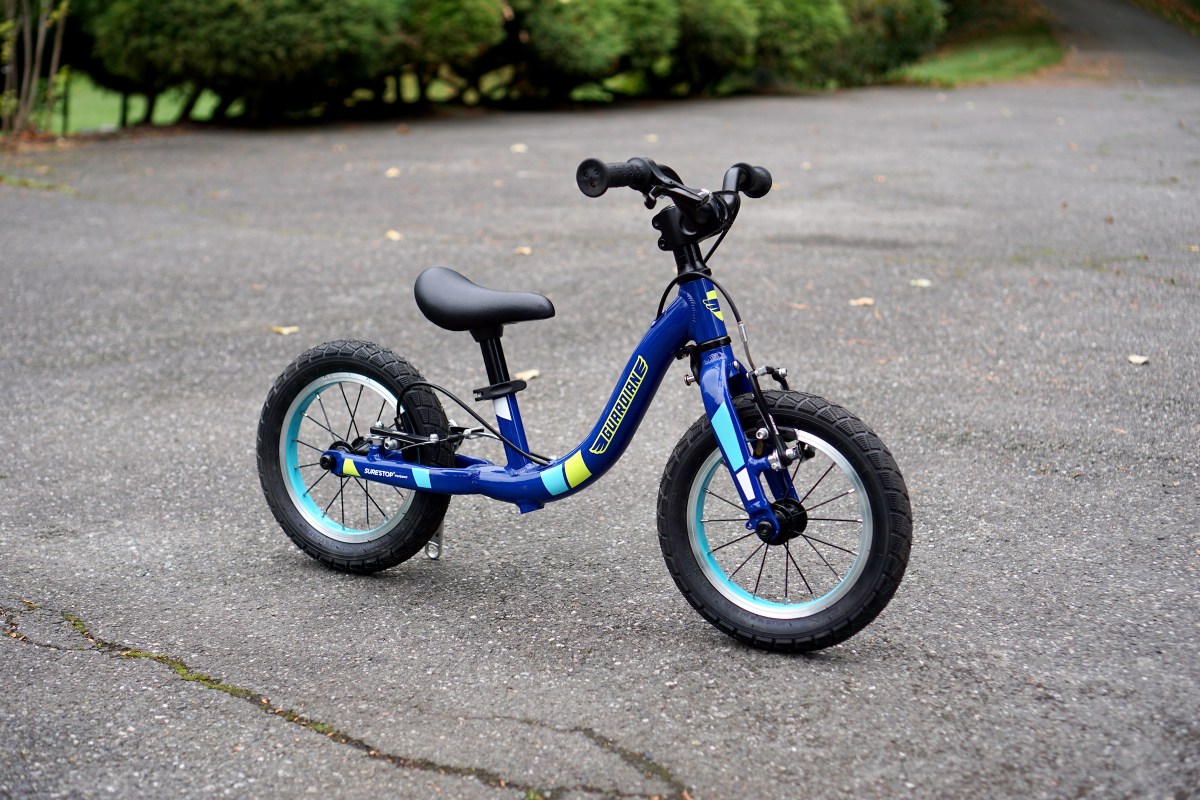
A balance bike, also known as a strider bike, push bike, or run bike, is a kids’ bike designed to help toddlers and preschoolers learn how to balance on two wheels before transitioning to a pedal bike. Models like the Guardian Balance Bike forgo pedals, training wheels, and gears, and instead rely on children’s feet to balance and push themselves along. The whole idea around a strider bike is to help a child learn to balance first, and then when they’re ready to move on, pedal on a larger bike.
What Age is Best for a Balance Bike?
Toddlers and children from ages 12 months to 5 years are prime candidates for balance and strider bikes. Coordination, size, and your child’s demeanor all play an important role in determining when your kid is ready to start riding. See our sizing information below for more information regarding ages and the best balance bike sizes.
Can’t I Just Take the Pedals Off a Regular Bike?
For older or taller children, we’re talking ages 4 and up, this is a great option that cuts down on buying multiple bikes. The Prevelo Alpha Two is a top choice for this purpose. However, for smaller or younger riders, this simply isn’t a good idea. It really comes down to minimum seat height, your toddler’s inseam length, and the overall size of the bike. With tall seat heights and hefty overall weight, even the smallest pedal bikes will be much too big for your 2- or 3-year-old rider. And while less of a concern, the crankarms will cause interference with their legs and the ability to scoot along.

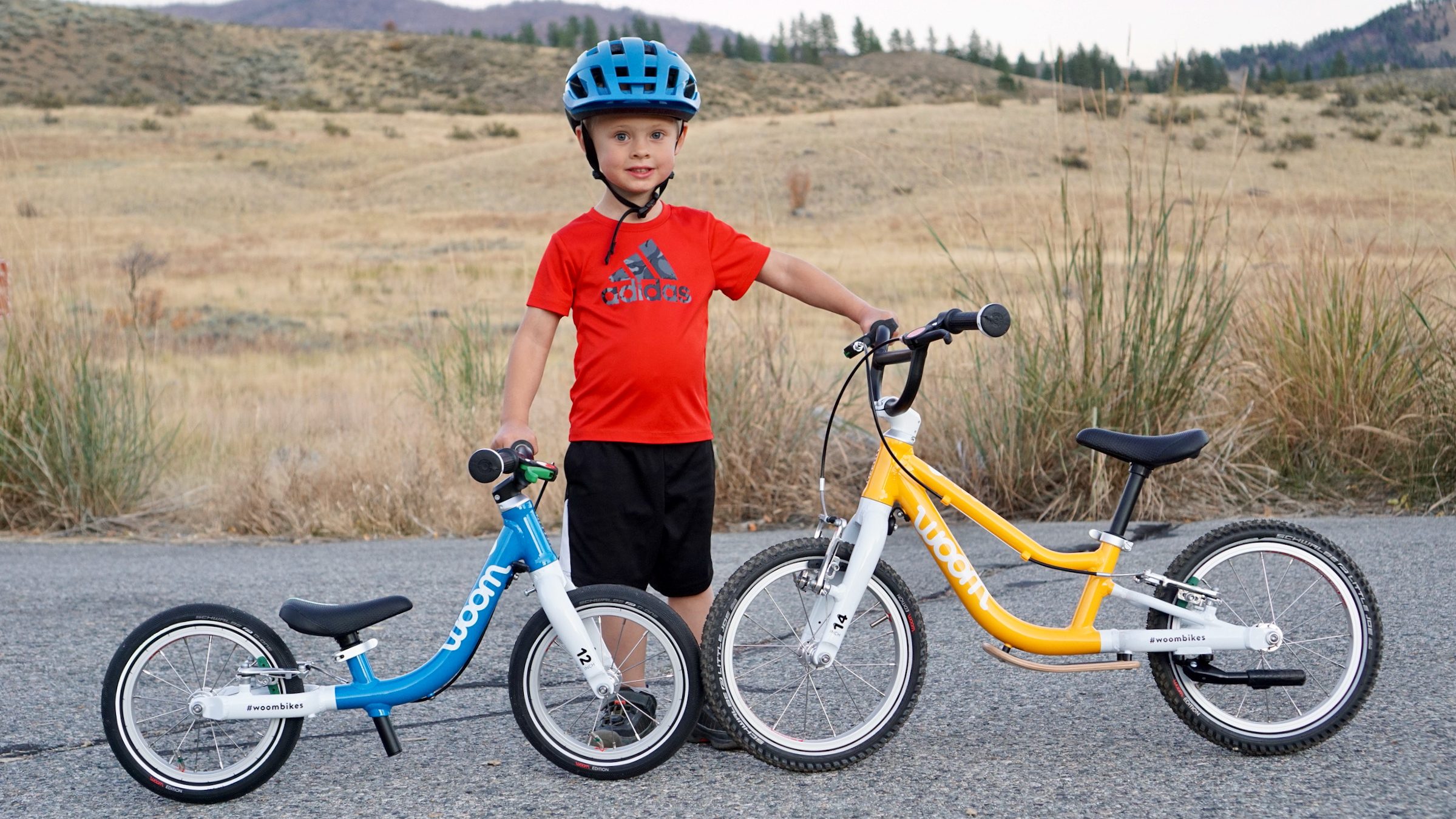
For example, the woom 1 balance bike has 12-inch wheels and a minimum seat height of 10.4 inches, and it only weighs 6.6 pounds–making it a great option for toddlers with inseams of 11 inches and greater. Now compare this to their smallest pedal bike, the woom 2, which features 14-inch tires and a minimum seat height of 15.7 inches, and weighs 12.3 pounds. With an increase of almost 5 inches in seat height and about double the weight, the woom 2 isn’t a viable option for most young toddlers.
What Size Balance Bike Does My Toddler Need?
To find the best size balance bike for your toddler or preschooler, measuring their inseam length and matching it with a bike’s seat height is your best option. The table below provides a good starting point for finding the correct size balance bike for your child.
Child's Age | Child's Inseam | Child's Height | Top Balance Bike |
1 - 2 year olds | 11 - 15 in. | 31 - 40 in. | |
2 - 3 year olds | 11 - 15 in. | 31 - 40 in. | |
3 - 4 year olds | 15 - 19 in. | 37 - 43 in. | |
4+ year olds | 16 - 23 in. | 37 - 49 in. |
Inseam Length
Inseam length is the single most important measurement when determining which size balance bike is the best fit for your toddler or preschooler. Thankfully, it’s extremely easy to figure out. With shoes on, have your child stand tall and put their back against a wall. Next, place a book between their legs and move it up as far as comfortably possible. Now, measure from the ground to the top of the book. You now have your inseam measurement! From here, you’ll want to reference the minimum seat height specification–brands like Prevelo Bikes clearly list this information–and make sure that it’s at least half an inch lower than your child’s inseam. This will ensure that they can reach the ground when using their new balance bike.
Seat Height Adjustment
While minimum seat height is the most important consideration for small toddlers, it’s also essential to consider the entire adjustment range as well. More adjustment means more years of use. Some very basic and budget-oriented models, which we don’t recommend, feature static seats that aren’t able to adjust or grow with your child, significantly reducing the amount of time they will fit your kid. In contrast, nicer models like the woom 1 feature seats that can adjust up to 4 inches, providing ample range to accommodate years of growth and use. It’s worth noting that not all balance bikes have the same range of adjustment. If you’re looking to maximize your child’s use of their balance bike, paying close attention to this specification is a good idea.


Balance Bike Wheel Sizes
Balance bikes are available in a number of wheel and tire sizes, ranging from tiny 6-inch wheeled bikes like the Retrospec Cricket designed for the smallest 1-year-old riders to 20-inch options for 5-year-olds and up. Smaller wheels are easy to navigate and lighter overall, making them the better match for shorter or younger riders who are 1 to 3 years of age. The downside of smaller wheels, however, is that children will outgrow them more quickly before it’s time for the next size up. Additionally, small 10- and 12-inch wheels are more likely to get hung up on bumps and obstacles.

On the other hand, 14-, 16-, and 20-inch tires and wheels are excellent options for 3-, 4-, and 5-year olds. While they might be a little harder to turn and maneuver, especially for more timid riders, your child will get more years of use out of their balance bike. Larger tires, like those found on the woom 1 Plus, also have the added benefit of providing more stability at higher speeds, as well as being less likely to get hung up on trail obstacles or imperfections in pavement.
Balance Bike Weight
Balance bike weight is a very important factor to consider when cross-shopping different models, as it directly impacts your child’s overall ride experience. A lighter balance bike is significantly easier to maneuver and control, which makes for a more enjoyable experience for your toddler or preschooler. And let’s be honest, fun is the reason behind a balance bike. Secondly, there’s a very good chance you’ll spend a lot of time hauling your kid’s balance bike around the park, playground, or trail–we know we do. To make it easier for all parties involved, it’s worth finding a lightweight model. It’s for this reason, among many others, that the woom 1 is our top-rated balance bike at the moment, which weighs a mere 6.6 pounds.


Do Balance Bikes Have a Weight Limit?
Yes, most kids’ balance bikes have a weight limit, which can be an important factor to consider when choosing one for your child. These weight limits are set by the manufacturer and are usually clearly stated on their websites. For reference, smaller and more affordable models, like the Chillafish Charlie 10″, have a weight limit of 77 pounds, while more expensive and higher-quality aluminum models like the woom 1 Plus are rated for kids up to 130 pounds. If you have an especially large toddler or preschooler, we recommend looking for bikes made from aluminum or steel, as they typically offer higher weight limits.
Key Features of Balance Bikes
Balance Bike Tires
Foam vs Air (pneumatic) Balance Bike Tires
In the world of balance bikes, two main tire styles exist: foam-filled and air-filled (pneumatic). Foam tires, like those found on the Strider 12 Classic, offer the advantage of being lighter and eliminating the need to worry about fixing a flat tire, as there’s no inner tube filled with air. However, foam tires don’t provide nearly as much grip or traction, especially on gravel roads and dirt trails. They’re also considerably less comfortable and can be quite jarring for toddlers on rough surfaces.

Pneumatic (air) tires, on the other hand, outshine their foam counterparts when used off-road. Models like the Prevelo Alpha Zero feature wide air-filled tires that offer significantly more traction and comfort compared to foam tires, especially when set at the correct pressure–we recommend starting at around 10 psi. However, the one drawback to air tires is the occasional need to address flats and replace inner tubes. One expert tip to address flat tires is to remove the valve core and inject approximately 30 ml of Stans tire sealant, a method we’ve had great success with. While it may appear somewhat tedious, if your toddler frequently enjoys going off-road, and you hate changing flat tires as much as we do, it’s worth the effort.
Smooth vs Knobby Balance Bike Tires
Similar to adult bikes, there’s a wide variety of tire styles available for balance bikes. Smooth tread tires, like those found on the woom 1, roll fast and are a great match for pavement and concrete. They roll a little easier than knobbies and are the better option for urban families. On the other hand, knobby tires are a perfect alternative for trail riding, gravel roads, and rural biking families. They provide significantly more traction off-road for turning–and perhaps more importantly–stopping. If you’re a mountain biking family looking for the best balance bike for your toddler, we recommend the Early Rider Big Foot 12 which has 2.25-inch wide knobby tires and a handbrake for stopping.

Should I Get a Balance Bike with Brakes?
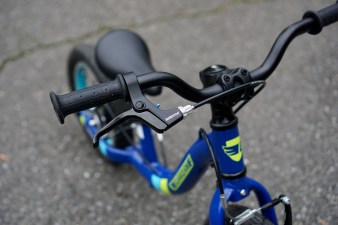
Yes, you should. While brakes on a balance bike might seem unnecessary at first, they significantly increase safety and control for your child. Moreover, introducing brakes at an early age is a great way to teach your toddler the fundamentals of biking right from the start. Brakes are especially important for families and kids that live in hilly areas, or those who want to explore undulating dirt trails. Most quality brands, like woom, Guardian Bikes, and Prevelo, offer balance bikes with hand brakes. Regardless of the brand, be sure to look for models with brake levers that can easily be adjusted to fit small hands. While it’s perfectly acceptable for toddlers to use their feet to slow down on level roads and trails, a hand brake provides a substantial bump in control on hills.

Footrest
As the name suggests, footrests offer kids a convenient place to rest their feet while cruising around on their balance or strider bike. When choosing a model, look for one that features a noticeable footrest. However, it’s important that the footrest doesn’t extend too far forward towards the front of the bike or become excessively wide, as this will interfere with your child’s legs and make it more challenging for your little one to push the bike along. The Strider 12 Sport serves as a good example of a balance bike with a nicely sized footrest, it provides sufficient room for a toddler’s feet without interfering with their striding.

Steering Limiter
Steering limiters are a great feature found on some balance bikes, providing an added layer of safety and stability for your little rider. While there are a couple of designs available, the most common one is a thick rubber band that attaches from the bottom of the downtube to the front fork. This smart feature, which is found on the Guardian Balance Bike, prevents the front wheel from turning too sharply, helping to reduce spills. Furthermore, it helps maintain wheel alignment at higher speeds and adds an element of stability. As your toddler becomes more skilled and gains confidence, the limiter can be removed, giving them full control of the bike and its steering.

Pedal Kits
While not very common, pedal kits offer a cost-effective way to avoid purchasing multiple bikes. Models like the Strider 14x begin as a standard push bike but can easily transform into your 3- or 4-year-old’s first pedal bike with the addition of their pedal kit. These kits are typically designed for larger balance bikes with 14-inch wheels, making them an excellent fit for older riders aged 3 or 4.

Balance Bike Material and Build Quality
Plastic, wood, aluminum, and steel are the four main types of materials used in balance bikes, with each having their own pros and cons. Aluminum stands out as our preferred material, offering an ideal balance between low weight and durability, two critical factors for a balance bike. In contrast, plastic, while incredibly lightweight, compromises on durability. Steel, another common choice, is typically more budget-friendly than aluminum but results in a heavier strider bike. Lastly, there’s the option of wood. While wood balance bikes look really stylish, they tend to be heavier compared to other materials. If you’re seeking a lightweight balance bike that can endure years of use and wear, aluminum is undoubtedly the top choice.

How Much Should I Spend On a Balance Bike?
Balance bikes come in a wide range of prices, starting at around $50 for budget models and go all the way up to approximately $440 for fully-equipped options like the Kids Ride Shotgun Dirt Hero Off-road. As with many things in life, you typically get what you pay for.
Budget-friendly options are an excellent choice for beginner riders or families exploring the sport for the first time. However, they often lack features that can significantly enhance your child’s experience, such as air-filled tires, hand brakes, footrests, and steering limiters. On the other end of the spectrum, the most expensive balance bikes will likely be overkill for most kids. For this reason, we recommend focusing your search on balance bikes in the $100 to $300 price range. Models like the woom 1 Plus include all the features your child needs and are priced around $299.

Balance Bike Assembly
Some assembly is usually required for most balance bikes before your little one can start riding. The extent of assembly varies from model to model and brand to brand but typically involves tasks like installing wheels, handlebars, and possibly the seat. Models equipped with hand brakes may also require adjustments. The assembly process is not overly complicated, and many brands, such as woom, offer video instructions on their website to guide you through the process. It’s a good idea to review these instructions before making a purchase to ensure you’re up for the task.


Popular Balance Bike Brands
The market for balance, push, and strider bikes is inundated with various brands, as a quick search on Amazon will reveal. However, not all brands are created equal, and opting for well-known ones can ensure a better experience for your child. We recommend sticking to reputable brands, with some of our favorites including woom, Prevelo, Guardian Bikes, and Early Rider. These companies are well-known for offering high-quality products, and their commitment to standing behind their products is a sign of their reliability.

Balance Bike Warranty
One of the more wonderful aspects of balance bikes is their ability to be passed down to younger siblings or friends. With this in mind, it’s important to consider the warranty offered by each brand. High-quality models from woom stand out with an impressive 10-year warranty, which is among the best in the industry. On the other end of the spectrum, less expensive balance bikes from Chillafish come with a standard 2-year warranty. If you have multiple aspiring balance bike riders in your household, it’s certainly worth considering the warranty when making your purchase.

Balance Bike Trade-In Programs
One advantage of selecting a premium balance bike brand over others is the availability of trade-in or trade-up programs. Trade-in programs allow you to return a bike once it’s been outgrown and receive a substantial discount on your next purchase. Both woom and Prevelo Bikes provide this service, offering a generous 40% discount on your next bike purchase. Typically, this membership involves a one-time fee of around $50. If your little rider is committed to the sport, trade-in programs can lead to significant savings in the long run.

Where Should I Buy a Balance Bike?
The absolute best place to find a balance bike is in the local classifieds, as buying used can save a considerable amount of money. If purchasing a used bike isn’t an option, several popular retailers offer a wide selection. REI is a great choice, offering a great range of balance bikes with an exceptional return policy in case the bike doesn’t work out (1 year from the date of purchase). Other reliable options include Ready Set Pedal, Backcountry, and, of course, Amazon. You can also purchase balance bikes directly from the manufacturers’ webstores; woom, Prevelo, and Guardian Bikes are among the more well-known options.

Ready to make a purchase? See our guide to the year’s best balance bikes for top recommended models.
